
Turning Browsers into Buyers: Make Sure Your Online Advert Stands Out
If you’ve ever searched online for a home yourself, you’ll know just how many listings appear. The broader your search terms, the more results you’ll see—and before long, you’re scrolling through property after property.
So what makes you stop scrolling?
When you’re selling, how do you ensure your listing stands out enough for buyers to click? And once they do, is the rest of your advert compelling enough to make them book a viewing?
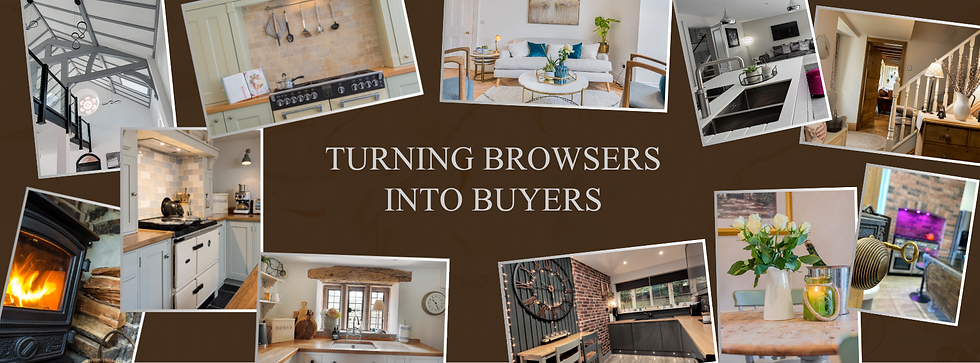
The secret lies in balance—using the right combination of images and words. You want to give buyers a taste of what your home offers, without revealing everything. Provide enough to spark curiosity, but leave them wanting to see more in person.
Remember: The purpose of marketing isn’t to show everything—it’s to get people through the door.
Photographs: Your Most Powerful Marketing Tool
Photographs are one of the most important features of your online advert. Around 90% of the information our brains process is visual, and we absorb images far faster than text. That’s why great photography can make the difference between a buyer scrolling past or clicking to learn more.
Your main image should be the very best full shot of the front of your property. Taking this photo at twilight, with the interior lights glowing, can create a particularly striking first impression.
Ideally, your listing should include:
20-25 high-quality photos
Clear images of all main rooms
Shots highlighting standout features
Attractive views of the garden or outdoor space
The goal is simple: Show enough to impress buyers—but leave them excited to discover more.
Preparing Your Home for Photography
A professional photographer can only work with what they’re given, so preparation is key. Think of your home as if it were being featured in a glossy magazine.
Before the photographer arrives:
Vacuum and dust thoroughly
Clean windows and mirrors
Empty bins and remove toiletries
Clear work surfaces and tidy clutter
Add fresh flowers, plants, or candles
Fill a fruit bowl in the kitchen
Plump cushions and straighten towels
Remove rugs to make rooms look larger
Check all light bulbs are working
Tidy and maintain the garden
Then try to keep your home looking like that until it sells.
Make Sure Your Photos Tell a Story
When reviewing your brochure, check that the photographs follow a logical order—just like a real viewing.
For example:
Front exterior→ Hallway→ Living room→ Kitchen→ Stairs→ Bedrooms→ Garden
This helps buyers visualise the layout and creates a stronger first impression.
The Written Details: Say Less, Sell More
Your headline and summary paragraph need to do three things quickly:
Explain what your home is
Show where it’s located
Highlight its strongest selling points
If your home is ideal for families, emphasise features like:
A spacious open-plan kitchen
A large garden
Flexible living areas
Proximity to good schools
Keep Room Descriptions Short and Focused
Once buyers are interested, they may read more details—but they don’t want long paragraphs.
Keep each room description simple:
Room size
Key fixtures included
One standout feature
At this stage, buyers don’t need to know every technical detail.They just need enough information to book a viewing.
Floor Plans and Brochures: Essential Tools for Buyers
Floor plans help buyers understand:
Room sizes
Layout flow
Whether the property suits their needs
They’re now considered standard, so every listing should include one.
A downloadable PDF brochure is also important. Many buyers like to:
Save it for later
Print it out
Make notes before viewing
These small details can significantly improve engagement.
You’ve Got Their Attention — What Happens Next?
If your marketing is working, buyers will start making enquiries. That’s where your agent’s skills become crucial.
When a Buyer Calls
Some callers are ready to book immediately. Others need reassurance.
A knowledgeable, enthusiastic agent can:
Answer questions confidently
Highlight key features
Build excitement
Secure a viewing appointment
They should also qualify buyers by checking:
How they plan to fund the purchase
Whether they have a property to sell
Their readiness to proceed
This ensures you’re focusing on serious buyers.
During the Viewing
It’s usually best to let your agent handle viewings.
Buyers tend to feel more relaxed when the owner isn’t present, which means:
More honest feedback
Better engagement
Stronger negotiation opportunities
An experienced agent knows:
What to highlight
What to explain
When to move the conversation towards an offer
Turning an Offer into a Sale
When buyers fall in love with a home, they often make an offer after just one viewing.
At this stage, your agent’s role is to:
Negotiate the best price
Keep you informed
Maintain buyer momentum
Manage the process smoothly
If your marketing is strong and your home is presented well, you should generate steady interest. And if needed, your agent can adjust the marketing based on feedback to attract more buyers.
Thinking of Selling?
Whether you’re already on the market or just considering a move, getting the marketing right from day one can make a huge difference to your sale.
The right advert doesn’t just attract attention. It creates desire, drives viewings, and ultimately secures offers.


Comments